- Take Action: Urge Congress to End Federal Cannabis Prohibition
Press Releases
Marijuana Policy Project Adds Three New Members to Board of Directors
The new board members include former Colorado State House Leader and Pueblo County Commissioner Sal Pace, who will also serve as a senior policy advisor; Sheri Orlowitz, a former Justice Department prosecutor and founder of Artemis Holdings Group; and Les Szabo, who will represent Dr. Bronner’s
WASHINGTON — The nation’s largest marijuana policy organization, the Marijuana Policy Project, announced Tuesday the election of three new members to serve on its board of directors.
The expansion of the board, which now includes nine members, comes on the heels of MPP hiring Steve Hawkins to serve as its new executive director.
“MPP is picking up steam, and momentum is building heading into the midterm elections and upcoming legislative sessions,” said Hawkins, who joined the organization in August. “We are pleased to welcome three outstanding new members to our board of directors. They bring a diverse and solid understanding of marijuana policy, the cannabis industry, and the politics and advocacy efforts that surround them. They have proven track records of leadership and innovation in their fields, and I have no doubt they will be assets to the organization.”
The new appointments to MPP’s now nine-member board of directors include:
- Sheri Orlowitz is a former Justice Department prosecutor and founder of Artemis Holdings Group, LLC, a Washington, D.C.-based private investment firm, where her portfolio focuses on emerging businesses in the cannabis industry. She has more than three decades of experience with mergers and acquisitions and executive-level leadership, both domestically and internationally, raising more than $100 million to build, acquire, and sell a dozen companies in the manufacturing, professional services, and real estate industries. Ms. Orlowitz served as an official U.S. envoy to Latvia, Greece, and Portugal, and she was one of the first U.S. women invited by the Saudi Arabian government to teach entrepreneurship at Dar Al-Hekma University. She has been appointed to the National Women’s Business Council and various public and private company advisory boards, including the Harvard University Women’s Leadership Board, National Women’s History Museum, Enterprising Women Magazine, Capital One, MassMutual, Connected Living, Brilliant Factory, and Women Grow.
- Sal Pace is a county commissioner in Pueblo County, Colorado, and a former leader of the Colorado House of Representatives. In addition to joining the board, he will serve as a senior policy advisor for MPP. Mr. Pace is widely recognized as one of the nation’s most knowledgeable elected officials on the subject of marijuana policy. During his time in the General Assembly, he played a leading role in developing Colorado’s medical marijuana model, earning him recognition as the “face of regulation” from local news media. He served on several policy and legislative interim committees focused on cannabis, and he founded a national organization of local elected officials, Leaders For Reform, in response to Attorney General Jeff Sessions’ rescission of the Cole memo earlier this year. As a county commissioner, Mr. Pace led efforts to create the Institute of Cannabis Research at Colorado State University-Pueblo and to establish the first college scholarship program funded by cannabis tax revenue. Prior to running for office, he served as a Congressional and campaign staffer.
- Les Szabo is director of constructive capital at Dr. Bronner’s, the top-selling natural brand of soap in North America, which is a leader in environmental sustainability and a leading supporter of U.S. hemp policy reform. Mr. Szabo oversees business development activities for the company, which includes impact investing, philanthropy, and commercial support of supply chain projects around the world. He has 20 years of experience in the natural products and apparel industries, and he was a co-founder of Living Harvest, Dunderdon, and Infinity Sport. He currently sits on the boards of Serendi Coco Samoa Ltd., Regenerative Organic Feed Co., and LifeDose.
“Marijuana policy has come a long way in the 20-plus years since MPP was founded, and much of that progress is thanks to their hard work,” Ms. Orlowitz said. “MPP helped pave the way for the legal cannabis industry, allowing licensed and regulated businesses to begin replacing the illegal market. It is critical that the cannabis industry support these efforts, and I look forward to working with MPP to further develop its relationships with the business community.”
MPP has been a leading advocate for federal marijuana policy reform on Capitol Hill since the organization was founded in 1995, and it has spearheaded most of the major state-level reforms that have occurred over the past two decades.
“MPP has done more to bring about the end of marijuana prohibition than any other organization, and I am humbled to be joining its board of directors,” Mr. Pace said. “Thanks to MPP’s state-by-state victories and its efforts in Congress, our country is on the precipice of ending federal cannabis prohibition. In my two decades working in politics I have built relationships with a wide variety of policymakers at all levels of government and on both sides of the aisle. I intend to use these relationships to help further the cause of ending prohibition and replacing it with a more sensible system of regulation.”
Read more
National Pew Survey Finds Growing Support for Marijuana Legalization in U.S.
National Pew Survey Finds Growing Majority of Americans Support Legalizing Marijuana (62%); Only One-Third Opposed (34%)
Statement below from Marijuana Policy Project Executive Director Steve Hawkins
WASHINGTON — Survey results released Monday by the Pew Research Center show a growing majority of Americans support ending marijuana prohibition. The national survey of 1,754 U.S. adults found 62% think marijuana should be made legal, while only about one-third of Americans (34%) think it should remain illegal.
Statement from Steve Hawkins, executive director of the Marijuana Policy Project:
“A growing majority of Americans are ready to end the failed policy of marijuana prohibition and move on. They see states regulating marijuana for medical and adult use, and they recognize it is a much more effective approach. Laws that treat cannabis consumers like criminals and disproportionately impact communities of color are steadily losing popularity across the U.S.
“Voters are steadily moving in one direction on this issue, and elected officials are taking notice. States are reevaluating their old prohibition laws and starting to plan their exit strategies. It is time for Congress to do the same and end prohibition at the federal level.”
Read more
Utah Medical Marijuana Campaign Reaches Compromise with Lawmakers, LDS Church
Backers of Utah Medical Marijuana Initiative Reach Deal With Legislative Leaders, LDS Church Representatives, and Utah Medical Association
Regardless of Proposition 2’s outcome, a compromise medical cannabis bill will be enacted during a special session after the 2018 election
The Marijuana Policy Project has been assisting the Utah Patients Coalition since its inception in early 2017
SALT LAKE CITY — Backers of the Utah medical marijuana initiative joined other organizations and lawmakers at a press conference Thursday to announce they have reached an agreement on an alternative medical cannabis law that will be enacted in a special session following the election.
Proposition 2 will still appear on the 2018 ballot, but it will no longer determine the final outcome for Utah medical cannabis patients.
“We strongly support the compromise that has been reached because it will ensure a workable medical cannabis law is enacted and implemented in Utah,” said Matthew Schweich, deputy director of the Marijuana Policy Project, which played a significant role in drafting Proposition 2 and made large contributions to fund the successful signature drive.
“While it is difficult to walk away from a campaign after 18 months of hard work, this deal is undoubtedly a victory for Utah patients and their families,” Schweich said. “In Utah, a statutory ballot initiative can be amended or even repealed by a simple majority in the Legislature. If Proposition 2 passed without any agreement on next steps, patients may have been left waiting years to access legal medical cannabis. This compromise eliminates that uncertainty and ensures legislative leaders are committed to making the law work.”
The compromise bill differs from Proposition 2 in a number of ways. It does not allow home cultivation, allows fewer dispensaries, and adds several regulations, including dosage requirements. The negotiations were spearheaded by Utah Patients Coalition campaign director Connor Boyack and treasurer DJ Schanz. MPP staff were consulted during the negotiations, and the organization’s state policies director, Karen O’Keefe, provided important analysis that improved the final compromise legislation.
“The Utah Patients Coalition did an excellent job and fought to include as many provisions of Proposition 2 as possible in the compromise legislation,” Schweich said. “The compromise bill, while not ideal and cumbersome in certain respects, is workable and provides a path for Utah patients to legally access medical cannabis, including whole-plant products.
“This campaign was never about notching up another election victory,” Schweich said. “Our goal was simply to help medical cannabis patients in Utah who are being treated like criminals as they seek to alleviate their suffering. With this compromise, we have achieved that goal.”
Read more
Statement re: Marijuana Activists’ Confrontation with Rep. Andy Harris
Marijuana Policy Project Issues Statement Regarding Marijuana Activists’ Confrontation Tuesday With Rep. Andy Harris
WASHINGTON — Don Murphy, federal policies director for the Marijuana Policy Project, issued the following statement in response to reports that local marijuana activists, who are not affiliated with MPP, engaged in aggressive and inappropriate behavior Tuesday outside the Washington, D.C. office of Rep. Andy Harris:
“Marijuana policy reform supporters have every right to be upset by current federal marijuana laws, but they do not have the right to engage in illegal activity in the halls of Congress or act aggressively towards its members. Advocates who lobby in Congress should do so peacefully and respectfully. Otherwise, they are doing a disservice to the very movement they aim to further and at a time when we are closer than ever to achieving our shared goal of federal reform. We encourage all marijuana legalization advocates to make their voices heard, and we urge them to do it in a manner that advances the conversation.”
Read more
Gov. Signs Marijuana Bill Making CNMI First U.S. Territory to Legalize for Adults
Possession of limited amounts of marijuana is now legal for adults 21 and older; home-growing will be legal within four months and regulated sales are expected to begin next year
Statements below from Sensible CNMI, which advocated for the legislation, and the Marijuana Policy Project, the nation’s largest marijuana policy organization
Gov. Ralph DLG. Torres signed H.B. 20-178 into law Friday, making the Northern Mariana Islands the first U.S. territory to legalize and regulate marijuana for adult use. It is also the first U.S. jurisdiction to do so through its legislature, rather than via ballot initiative.
H.B. 20-178, titled the Taulamwaar Sensible CNMI Cannabis Act of 2018, was approved 6-0-2 in the Senate last week and 18-1-1 in the House on August 8. A detailed overview of the legislation is available on the Marijuana Policy Project’s website. Under the law:
- It is now legal for adults 21 years of age and older to possess limited amounts of marijuana (one ounce), marijuana-infused products (16 ounces in solid form, 72 ounces in liquid form), and marijuana extracts (five grams).
- Within 30 days of the bill being signed, a five-member CNMI Cannabis Commission must be appointed to serve as the regulatory agency overseeing commercial marijuana and hemp.
- A Homegrown Marijuana Registry will be created, through which adults and patients can register to grow a limited number of marijuana plants (six mature and 12 immature or up to twice that amount in the case of medical need) for personal use. If the registry is not created within 120 days of the Cannabis Commission’s organizational meeting, adults can grow cannabis without registering until it is available.
- Within 180 days of the Cannabis Commission’s organizational meeting, it must prescribe forms and adopt rules for the program, which will include six types of regulated marijuana businesses: producers, testing facilities, processors, retailers, wholesalers, and lounges. Once licensing regulations are adopted, the commission shall begin accepting applications and may not unreasonably delay processing, approval, or rejection of applications.
- A 10 percent ad valorem excise tax will be imposed on cannabis grown in the commonwealth.
Laws legalizing and regulating marijuana for adult use have been adopted by voters in eight states: Alaska, California, Colorado, Maine, Massachusetts, Nevada, Oregon, and Washington. Lawmakers in Vermont and voters in D.C. have adopted laws that make marijuana possession and cultivation legal for adults, but they do not regulate commercial production or sales.
Statement from Lawerence Duponcheel, co-founder of Sensible CNMI:
“We are proud of our governor and the Legislature for ending the failed policy of marijuana prohibition in the Northern Marianas and adopting a more sensible system of regulation. We look forward to working with lawmakers, the Cannabis Commission, and other stakeholders to implement this legislation swiftly and responsibly.”
Statement from Gerry Hemley, co-founder of Sensible CNMI:
“The true essence of legalization has always been about the freedom of choice, to use cannabis, without fear of arrest and harassment. It is incredibly satisfying to know that adults and medical patients in CNMI will no longer be punished for consuming cannabis, and by this time next year, they will have safe, legal, and reliable access to it.”
Statement from Karen O’Keefe, director of state policies for the Marijuana Policy Project:
“We applaud the governor, the lawmakers, and the advocates of the Northern Mariana Islands for this historic accomplishment. Major policy changes do not come easy, especially when it means seeing past decades of propaganda. The work is not done yet, and we hope officials will continue to take a thoughtful and evidence-based approach to implementing this new regulatory system. Hopefully lawmakers throughout the U.S. will take notice and look to CNMI as an example for how to end prohibition and establish an effective marijuana regulatory system.”
Read more
Marijuana Policy Project Endorses North Dakota Ballot Initiative to Legalize Marijuana for Adults
The nation’s largest marijuana policy reform group is throwing its support behind the local grassroots effort to pass Measure 3, which would make marijuana legal for adults 21 and older and expunge past marijuana-related convictions
WASHINGTON — The Marijuana Policy Project announced Wednesday it is endorsing Measure 3, the initiative to legalize marijuana for adults in North Dakota and expunge past marijuana-related convictions.
MPP is the nation’s largest organization dedicated exclusively to marijuana policy, and it played leading roles in the successful legalization initiative efforts in Colorado, Alaska, Massachusetts, Maine, and Nevada. It is the latest organization to throw its support behind Legalize ND, the local grassroots campaign that qualified Measure 3 for the November ballot.
“The Marijuana Policy Project supports Measure 3 and strongly encourages North Dakotans to vote in favor of this important initiative,” said MPP Deputy Director Matthew Schweich. “North Dakota’s current marijuana prohibition laws are ineffective and wasteful, causing more harm to consumers and to the community than marijuana itself. Adults should not be punished for using a product that is objectively less harmful than alcohol, and law enforcement officials’ time and resources would be better spent addressing serious crimes. Once marijuana is a legal product for adults, it can be regulated and controlled similarly to alcohol. It is time for North Dakota to join the growing number of states that have ended prohibition and taken new, more sensible approaches to controlling marijuana.”
MPP will assist Legalize ND by offering guidance and support with strategy and fundraising, as well as by mobilizing its supporters in North Dakota and around the country.
“We’re thrilled to have MPP’s support, and we look forward to working with them in the weeks leading up to Election Day,” said Legalize ND Chair David Owen. “With their help, we’ll continue to educate voters about the benefits of legalization and the harms of prohibition.”
Measure 3 would remove penalties for possession and cultivation of marijuana by adults 21 and older. It would also establish a process for sealing criminal records of individuals with prior marijuana convictions. In 2016, North Dakotans approved a medical marijuana ballot initiative, Measure 5. State regulators have been slow to implement it, and dispensaries are not expected to open until 2019.
“MPP is proud to throw its support behind this local grassroots effort,” Schweich said. “There is clearly a strong desire for change in North Dakota, and since state officials have not taken on this issue, it is up to the people to get it done. Voters will have a chance to make their voices heard this November, and we hope they will use it to say ‘yes’ on Measure 3.”
MPP is supporting several ballot initiative efforts this year, including Prop. 1 in Michigan, which would legalize and regulate marijuana for adult use, and Prop. 2 in Utah, which would legalize and regulate marijuana for medical use. Nine states and the District of Columbia have already approved laws making marijuana legal for adults, and eight of those states also regulate the commercial production and sale of marijuana for adult use.
Read more
CNMI Marijuana Legalization Bill Passes, Heads to Governor
Bill to Legalize and Regulate Marijuana in Northern Mariana Islands Receives Final Approval in Legislature, Heads to Gov. Torres for His Consideration
Statements below from Sensible CNMI, which advocated for the legislation, and the Marijuana Policy Project, the nation’s largest marijuana policy organization
The Northern Marianas’ Commonwealth Legislature has approved a bill to legalize and regulate marijuana for adult and medical use. H.B. 20-178, titled the Taulamwaar Sensible CNMI Cannabis Act of 2018, will now be sent to Gov. Ralph Deleon Guerrero Torres for his consideration.
The Senate approved the bill 6-0-2 on Thursday, and it was approved by the House 18-1-1 on August 8. A detailed overview of the bill is available on the Marijuana Policy Project’s website. In summary, the legislation:
-
- allows adults 21 and older and patients with certain medical conditions to possess limited amounts of marijuana (one ounce), marijuana-infused products (16 ounces in solid form, 72 ounces in liquid form), and marijuana extracts (five grams);
- creates a Homegrown Marijuana Registry, through which adults and patients can register to grow a limited number of marijuana plants (six mature and 12 immature or up to twice that amount in the case of medical need) for personal use;
- directs the legislature to enact taxes and fees on all marijuana sold by a producer, as well as an excise tax on retail sales of marijuana for adult use (medical marijuana is exempt);
- provides for six types of regulated marijuana businesses: producers, testing facilities, processors, retailers, wholesalers, and lounges; and
- establishes a five-member appointed CNMI Cannabis Commission, which will serve as the regulatory agency overseeing commercial marijuana and hemp.
The Commonwealth of the Northern Mariana Islands would be the first U.S. territory to legalize and regulate marijuana for adult use. Such laws have been adopted by voters in eight states: Alaska, California, Colorado, Maine, Massachusetts, Nevada, Oregon, and Washington. Lawmakers in Vermont and voters in D.C. have adopted laws making marijuana possession and cultivation legal for adults, but not regulating commercial production or sales.
Statement from Gerry Hemley, co-founder of Sensible CNMI:
“We commend the lawmakers for taking this important step forward, and we hope Gov. Torres will join them in supporting a more sensible marijuana policy for the Northern Marianas. This is an opportunity for the commonwealth to establish itself as a trendsetter on this issue and set an example for the states and other U.S. territories. This legislation will replace the illegal marijuana market with a system of regulated, taxpaying businesses. It will not only bolster our economy, but also improve public health and make our community safer.”
Statement from Karen O’Keefe, director of state policies for the Marijuana Policy Project:
“This is a historic moment, as it is the first time a governing body in the U.S. has ever enacted legislation to both end marijuana prohibition and establish a system of regulation to replace it. Adults and medical cannabis patients will finally be able to access marijuana safely and legally, and products will be regulated and controlled to ensure they are safe for consumers. This legislation will allow for the establishment of new businesses that create jobs and generate new tax revenue that can support important programs and services.”
Read more
Marijuana Policy Project Hires Steve Hawkins as Executive Director
Hawkins, who previously served in leadership roles at the NAACP, Amnesty International USA, and the national Coalition for Public Safety, has been at the forefront of the criminal justice reform movement for three decades
WASHINGTON — The nation’s largest organization dedicated exclusively to marijuana policy, the Marijuana Policy Project, announced Tuesday it has hired Steve Hawkins to serve as its next executive director. The announcement comes after a months-long candidate search that included several exceptionally qualified candidates.
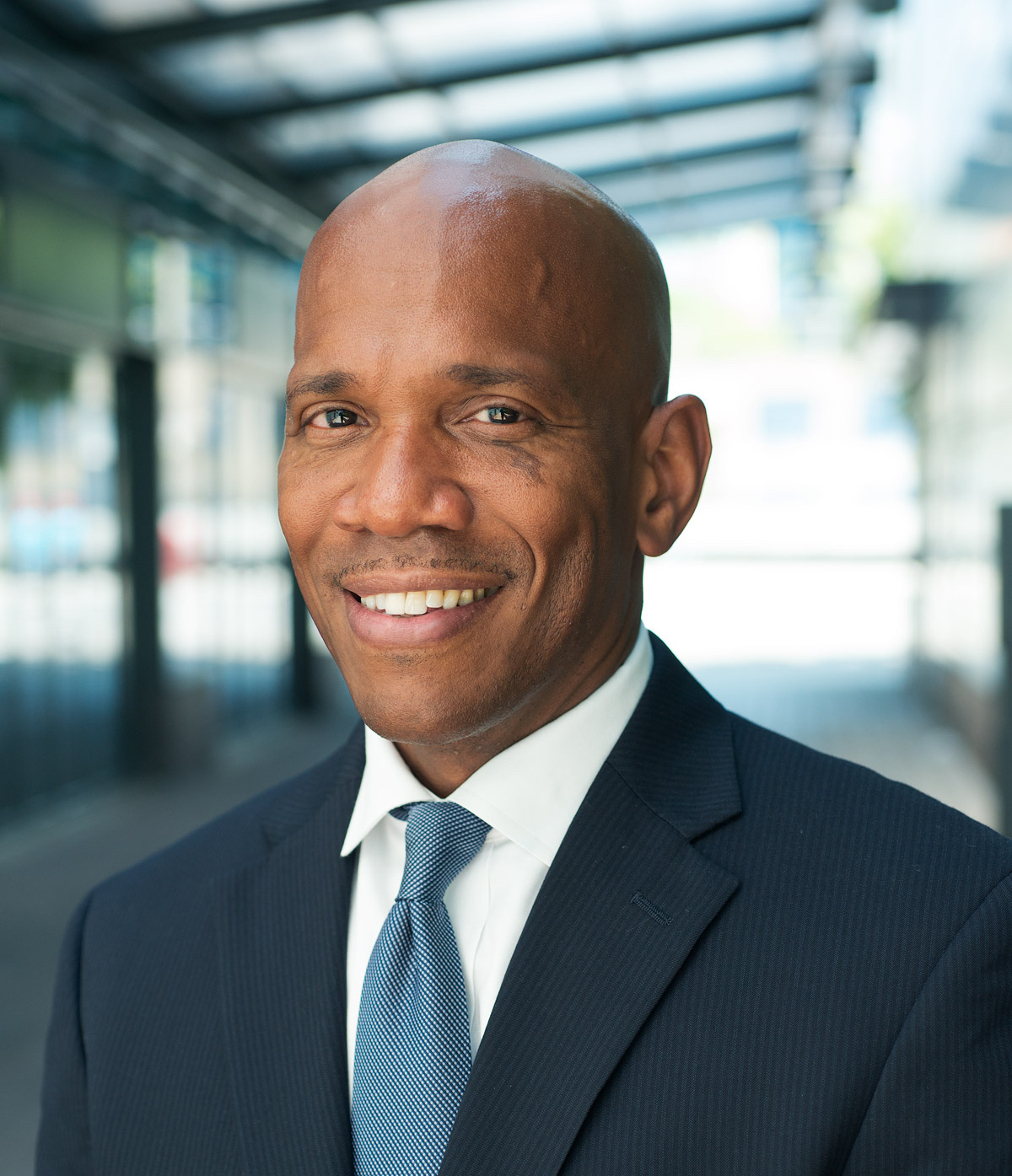 “We are thrilled to welcome Steve Hawkins as the new executive director of MPP," said Troy Dayton, chair of the MPP board of directors. “Steve has a strong track record in the field of criminal justice reform, and he knows how to build a movement toward meaningful social change. We were not only impressed by his expertise and experience, but also his strong convictions regarding the injustice of marijuana prohibition.”
Hawkins has been at the forefront of the criminal justice reform movement for three decades as an advocate, policy strategist, nonprofit leader, and foundation executive. He has extensive experience overseeing campaigns to advance policy change through public education, stakeholder mobilization, engagement with government officials, and development of strategic alliances with business leaders, law enforcement officials, scholars, faith leaders, victims’ advocates, and other key voices.
“The country is moving in the right direction on marijuana policy, but there is still a lot of work to be done,” Dayton said. “Steve is the perfect choice to oversee that work and lead MPP into the future.”
Hawkins began his career as an attorney with the NAACP Legal Defense Fund challenging racial disparities in the criminal justice system. He later served as executive vice president of the NAACP, spearheading its efforts to end the police practice of “stop and frisk” in New York City and successfully encouraging the NAACP board of directors to adopt a policy in support of marijuana decriminalization. He also previously served as executive director of Amnesty International USA, as a program executive for the Atlantic Philanthropies, and as a senior program manager at the JEHT Foundation, where he directed early investments of substantial resources into advocacy efforts to end mass incarceration, including groups working to eliminate criminal penalties for marijuana possession. Most recently, Hawkins was president of the Coalition for Public Safety, the largest national bipartisan effort to reform the justice system at the state and federal levels. A more detailed biography of Hawkins is available on the MPP website.
“Throughout my career, I have witnessed the counterproductive effects of the war on marijuana and its especially devastating impact on communities of color,” Hawkins said. “MPP has been at the vanguard of changing public perceptions and public policies surrounding marijuana, and I am proud to join this incredible team of advocates at such a critical moment in the movement to end marijuana prohibition.”
MPP has been a leading advocate for federal marijuana policy reform on Capitol Hill since the organization was founded in 1995, and it has spearheaded most of the major state-level reforms that have occurred over the past two decades. It organized the successful initiatives to legalize and regulate marijuana for adult use in Colorado, Alaska, Maine, Massachusetts, and Nevada, as well as the successful medical marijuana initiatives in Arizona, Michigan, and Montana. On the legislative front, MPP was behind the lobbying and grassroots organizing effort that led to the passage of the first-ever legalization measure through a state legislature in Vermont earlier this year. It also played leading or key supporting roles in passing comprehensive medical marijuana laws in D.C., Delaware, Illinois, Maryland, Minnesota, New Hampshire, New York, Ohio, Pennsylvania, Rhode Island, and Vermont, as well as laws decriminalizing marijuana possession in D.C., Delaware, Illinois, Maryland, New Hampshire, and Rhode Island.
“Great strides are being made with every election cycle and legislative session, but there is still much to be done, both at the state and federal levels,” Hawkins said. “I look forward to working with MPP’s nationwide network of grassroots supporters, organizational allies, and members of the legal cannabis industry to keep the momentum going and put an end to marijuana prohibition once and for all.”
Matthew Schweich, who has served as MPP’s executive director since November, will assume the role of deputy director to focus on the MPP-supported ballot initiatives to regulate marijuana for adult use in Michigan and to establish a medical marijuana program in Utah, both of which will be decided by voters in the November general election. Prior to serving as executive director, Schweich was MPP’s director of state campaigns and oversaw several successful ballot initiative campaigns in 2016, including Maine and Massachusetts.
“Matt provided critical leadership during a challenging transition period for MPP,” said longtime MPP board member Joby Pritzker. “He maintained the effectiveness of our advocacy operations, managed our fundraising efforts, and oversaw ballot initiative campaigns in multiple states, while at the same time leading our staff and assisting the board with the executive director search. We greatly appreciate Matt's tireless dedication to MPP and his heartfelt commitment to the marijuana policy reform movement. He stepped up to the plate when we needed him most.”
# # #
Read more
Northern Mariana Islands House of Representatives Approves Bill to Legalize and Regulate Marijuana for Adult and Medical Use; Measure Now Heads to the Senate
Statements below from Sensible CNMI, which advocated for the legislation, and the Marijuana Policy Project, the nation’s largest marijuana policy organization
The Northern Mariana Islands House of Representatives approved a bill Wednesday to legalize and regulate marijuana for adult and medical use. It now heads back to the Senate, which approved a similar proposal in May.
H.B. No. 20-178, sponsored by Rep. Joseph Deleon Guerrero (R-Saipan), was approved 18-1-1 in the House. A detailed overview of the bill is available on the Marijuana Policy Project's website. In summary, the legislation:
- allows adults 21 and older and patients with certain medical conditions to possess limited amounts of marijuana (one ounce), marijuana-infused products (16 ounces in solid form, 72 ounces in liquid form), and marijuana extracts (five grams);
- allows adults 21 and older and patients with certain medical conditions to possess limited amounts of marijuana (one ounce), marijuana-infused products (16 ounces in solid form, 72 ounces in liquid form), and marijuana extracts (five grams);
- creates a Homegrown Marijuana Registry, through which adults and patients can register to grow a limited number of marijuana plants (six mature and 12 immature or up to twice that amount in the case of medical need) for personal use;
- directs the legislature to enact taxes and fees on all marijuana sold by a producer, as well as an excise tax on retail sales of marijuana for adult use (medical marijuana is exempt);
- provides for six types of regulated marijuana businesses: producers, testing facilities, processors, retailers, wholesalers, and lounges; and
- establishes a nine-member appointed CNMI Cannabis Commission, which will serve as the regulatory agency overseeing commercial marijuana and hemp.
The Commonwealth of the Northern Mariana Islands would be the first U.S. territory to legalize and regulate marijuana for adult use. Such laws have been adopted by voters in eight states: Alaska, California, Colorado, Maine, Massachusetts, Nevada, Oregon, and Washington. Lawmakers in Vermont and voters in D.C have adopted laws making marijuana possession and cultivation legal for adults, but not regulating commercial production or sales.
Statement from Gerry Hemley, co-founder of Sensible CNMI:
“The true essence of legalization has always been about having safe and legal access to cannabis without fear of arrest and harassment. This thoughtful legislation will control, regulate, and tax marijuana in a manner that is similar to alcohol. It was carefully crafted to improve public health, protect children, and keep our communities safe. We hope senators will join their House colleagues in supporting this commonsense measure.”
Statement from Karen O’Keefe, director of state policies for the Marijuana Policy Project:
“We applaud CNMI legislators for keeping this important legislation alive and moving it forward. Taking marijuana off the illegal market and regulating its production and sale will improve public health and safety. Patients with debilitating conditions who could benefit from marijuana deserve steady access to quality-controlled medicine. The Senate now has a chance to make history by signing off on the bill and sending it to Gov. Torres.”
# # #
Read more
Senate Minority Leader Chuck Schumer Introduces Bill to End Federal Marijuana Prohibition
Statement below from the Marijuana Policy Project, the nation’s largest marijuana policy organization
WASHINGTON — Senate Minority Leader Chuck Schumer (D-NY) introduced legislation Wednesday that would end the federal government’s prohibition of marijuana. The proposal is co-sponsored by Sens. Bernie Sanders (I-VT), Tim Kaine (D-VA), and Tammy Duckworth (D-IL).
The bill, titled the Marijuana Freedom and Opportunity Act, would remove marijuana from the Controlled Substances Act, leaving its legal status to the states, while maintaining the federal government’s authority to prevent trafficking of marijuana from states that have legalized it to those that have not. It would also provide grants to state and local governments to develop or expand expungement or record-sealing programs for marijuana possession convictions, and it would direct marijuana tax money to the Small Business Administration to provide loans to marijuana businesses owned and controlled by women and socially and economically disadvantaged individuals. The proposal also allocates funds to marijuana-related public health and safety research. The full bill is available here.
Statement from Matt Schweich, executive director of the Marijuana Policy Project:
“This proposal is yet another sign that Congress is moving toward a major shift in U.S. marijuana policy. Senate leaders from both parties have now signaled their support for ending prohibition at the federal level and adopting a system that respects state laws regulating marijuana for medical and adult use. The debate is transitioning from whether marijuana should be legalized to how it should be legalized. There are still hurdles to overcome in Congress, just as there are for any other issue, but things are clearly headed in the right direction. A strong and growing majority of Americans think it is time to end marijuana prohibition, and states are moving quickly to develop their own marijuana policies. Members of Congress do not want to find themselves on the wrong side of history — or their constituents.”
# # #
Read more