- Take Action: Urge Congress to End Federal Cannabis Prohibition
Washington
Legal
Updates
Last update: March 05, 2026
Washington State could finally allow home grow
Washington was one of the first two states in the country to allow the use of cannabis by the adult population in 2012. Nevertheless, it is almost 10 years later and adults in Washington are still not allowed to grow cannabis at home.
SB 6204 might finally change that.
SB 6204 would permit adults 21 years and older to grow up to six cannabis plants out of public view. Washington has now become one of the few legalization states that continue to deprive adults of this right. In fact, home cultivation is a felony.
Home cultivation of cannabis in the hands of responsible adults is an issue of equity and individual freedom. It is legal for adults to brew beer and make wine in their home in Washington, and yet criminal penalties are applied in the case of a cannabis plant.
MPP is pushing legislators to approve SB 6204 to make Washington match most other legalization states that already permit small-scale cultivation at home. If you live in Washington, ask your state representative and senator to support home cultivation!
Legalization History
In November 2012, Washington voters approved Initiative 502, which made the possession and regulated sale of cannabis legal for adults 21 and older. The ballot measure put in place a program to license producers, processors, and retailers and set a state excise tax on the cannabis products.
In 1998, Washington legalized medical cannabis through Initiative 692, which granted patients with qualifying conditions access to cannabis as a means of therapy. Since then, the state has made a number of reforms to both its medical cannabis program and its adult-use marketplace, including to enhance its licensing fairness, and safeguard workers against discrimination due to off-duty use of cannabis.
Work Still Needed in Washington
Even though Washington was a trailblazer in many respects, the cannabis laws in Washington have plenty of room for improvement.
Washington is still lagging behind most other states that have adopted cannabis legalization by not allowing adults to grow cannabis at home. Moreover, it is one of only two legalization states that continue to impose criminal (not civil) penalties for possession by persons under 21. Criminal records can lead to life-changing obstacles getting housing and jobs. Washington also has only partial employment protections, for job seekers, not current employees. Responsible cannabis consumers still can be fired for testing positive for using cannabis days or weeks earlier.
Washington's Initiative started with an outrageously high tax rate of 25% at three points of transfer. In 2015, lawmakers reduced this to 37% at retail, plus sales tax. But the tax burden remains one of the two highest in the nation. This excessive taxation surely results in a continued illicit market, making it harder for legal operators to compete.
While Washington has made substantial progress, more changes are necessary to make sure that the cannabis policies in Washington are fair, equitable, and meet voters’ will.
Stay connected
To stay updated on the status of marijuana policy reform in Washington, be sure to subscribe to MPP's alerts, if you haven't done so already.
Related News
Washington Legislature can finally allow home grow!

It’s time to bring home grow to Washington
Wash.: Home grow bill introduced, hearing scheduled for Friday!
D.C. medical cannabis program now allowing delivery!
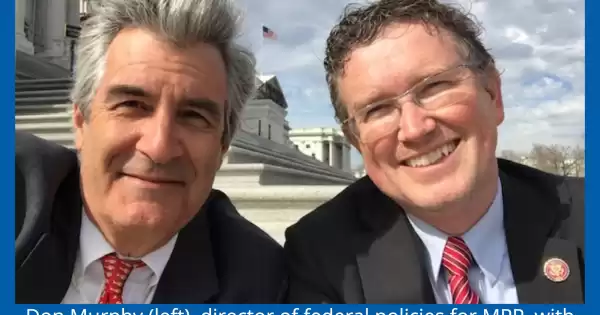
Lobbying in the Time of Coronavirus
Courtesy of BillTrack 50